

Expanding How We Recognize, Respond and Respect
This year Construction Safety Week is introducing three new technical bulletins that expand last year’s framework. Together, they provide a unified approach for recognizing, responding to and respecting the whole person behind the work and the physical and mental factors that can influence safety, health and performance. These bulletins are designed to build greater understanding of and support for worker well-being across our industry.
Created in collaboration with the Safety Week Technical Committee and shaped by input from industry leaders, safety experts and skilled craft professionals, these bulletins align terminology, expectations and approaches to help turn our commitment to safety and Total Worker Health® into action and continue raising the standard for how our industry protects and provides for its people.
NEW 2027 Technical Bulletins
A Unified Call To Action
To prevent serious injuries and fatalities, the construction industry must move beyond fragmented approaches and embrace a unified framework. We call on all stakeholders—owners, architects, contractors, and field teams—to commit to embrace the common language outlined in this bulletin, recognizing high-risk activities, apply direct controls, and respect safety protocols throughout every phase of construction. Together, we can set a new benchmark for safety excellence.
A Special Thanks To The 2027 Contributors to These Technical Bulletins:
2026 Technical Bulletins
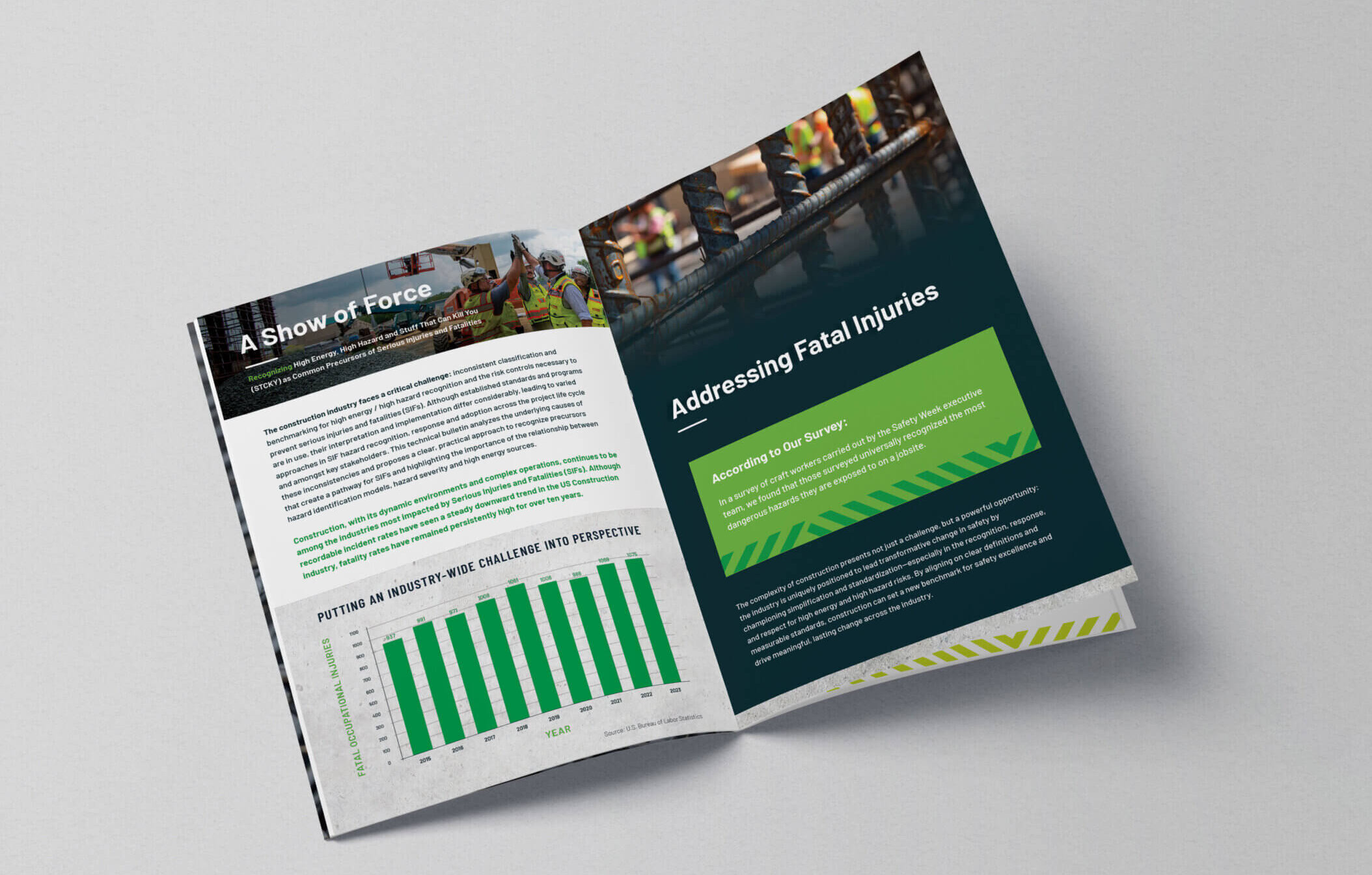
To truly prevent serious injuries and fatalities in construction, we must move beyond fragmented approaches and communication, and embrace a unified framework for hazard recognition and prevention. This bulletin highlights the need for consistent terminology and standardized approaches. It also underscores the importance of proactive risk management, direct controls, and respecting safety protocols throughout the project life cycle, aiming to significantly reduce fatality rates and set a new benchmark for safety excellence.
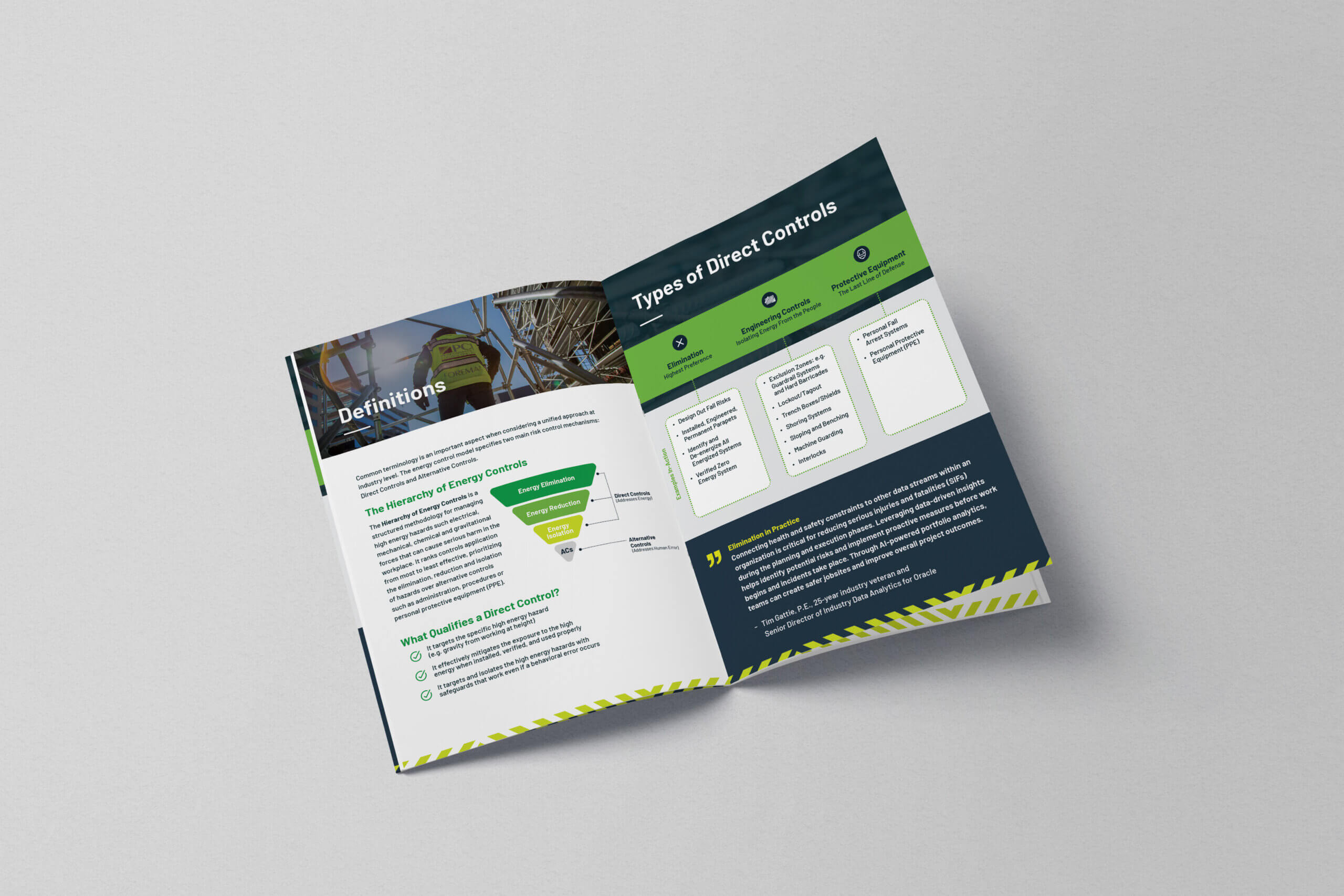
Responding to recognized hazards by putting in place direct controls during the planning phase is key to preventing serious injuries and fatalities (SIFs) during construction. This bulletin highlights the need for more robust and systematic approaches to hazard response, control, and prevention. It focuses on applying the Hierarchy of Energy Control as the most effective method for developing robust direct controls that prevent and mitigate SIFs. Construction firms have adopted the model as the foundation for energy control programs, resulting in measurable reductions in incident rates.
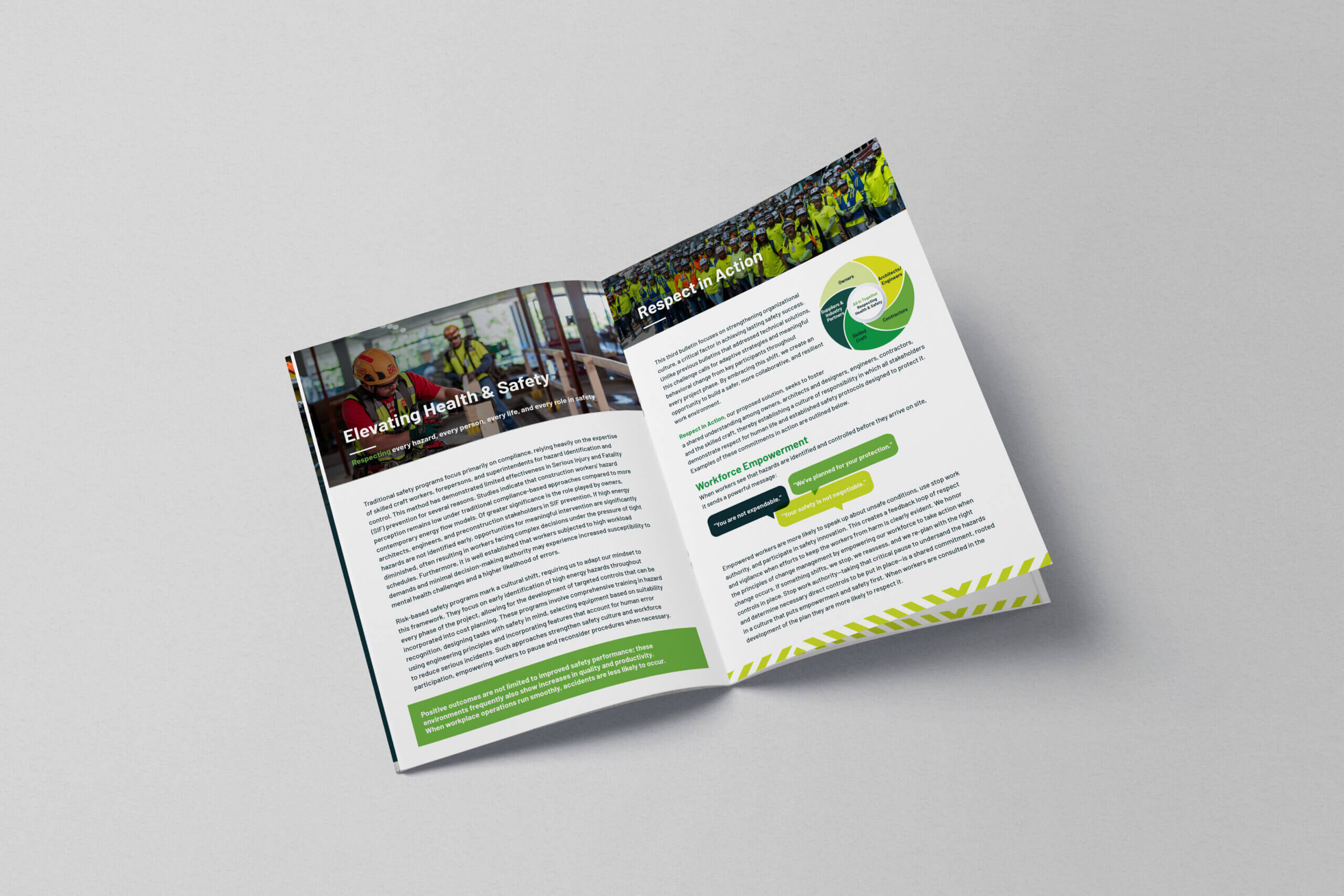
Respecting high energy hazards means acknowledging their potential and acting decisively to control them, and it requires commitment from every team member throughout every phase of the project. This bulletin underscores the importance of all stakeholders—owners, architects, designers, engineers, skilled craft professionals, suppliers, and industry partners—working together to identify and control hazards through design, planning, and execution. It focuses on cultivating a culture of accountability where clear expectations are set and every participant upholds a deep respect for human life and the safety systems designed to protect it.